
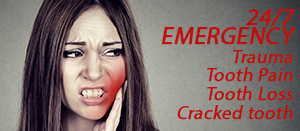
Dental Emergency: When does your tooth pain require a visit to the dentist?
Almost everyone experiences a toothache at some point in their life. Sometimes the discomfort is mild and temporary, while other times it can be a sign of a serious dental problem requiring immediate attention. Knowing the difference can help you avoid unnecessary pain, prevent complications, and potentially save a tooth.
Not All Tooth Pain Is the Same
Tooth pain can range from mild sensitivity to severe, throbbing pain. While occasional sensitivity to hot, cold, or sweets may not constitute an emergency, persistent or worsening pain should never be ignored.
In general, if your tooth pain lasts longer than a day or two, interferes with eating or sleeping, or continues to worsen, it is time to schedule a dental evaluation.
Signs You Should See a Dentist Right Away
Severe or Throbbing Pain
Intense tooth pain often indicates inflammation or infection within the tooth. If the pain is severe enough to disrupt your daily activities or keep you awake at night, contact your dentist as soon as possible.
Pain Accompanied by Swelling
Swelling of the gums, face, or jaw can indicate a dental abscess or serious infection. Dental infections can spread to other parts of the body if left untreated and should be evaluated immediately.
Sensitivity That Lingers
Brief sensitivity to hot or cold foods is common. However, if the discomfort lingers for more than a few seconds after the stimulus is removed, it may indicate decay, a cracked tooth, or nerve involvement.
Pain When Biting or Chewing
Pain while chewing may be a sign of a cracked tooth, failing filling, infection, or inflammation around the tooth root. Prompt treatment can prevent the condition from worsening.
Fever or Bad Taste in Your Mouth
A persistent bad taste, foul odor, drainage from the gums, or fever accompanying tooth pain may indicate an active infection requiring immediate treatment.
Common Causes of Tooth Pain
- Dental cavities (tooth decay)
- Cracked or fractured teeth
- Dental abscesses
- Gum disease
- Grinding or clenching of teeth
- Loose or failing dental restorations
- Impacted wisdom teeth
- Sinus-related pressure affecting upper teeth
When Can Tooth Pain Wait?
Mild sensitivity that resolves quickly and does not interfere with daily activities may not require emergency treatment. However, even minor symptoms should be monitored closely and discussed during your next dental visit.
Remember: dental problems rarely improve on their own. What starts as a small cavity can eventually become a painful infection requiring more extensive treatment.
What Should You Do Before Your Appointment?
- Rinse your mouth with warm salt water.
- Brush and floss gently around the affected area.
- Take over-the-counter pain medication as directed.
- Apply a cold compress if swelling is present.
- Avoid very hot, cold, or sugary foods if they trigger discomfort.
Do not place aspirin directly on the gums or attempt to self-treat a suspected infection.
Don't Ignore Tooth Pain
Tooth pain is your body's way of signaling that something may be wrong. Early diagnosis and treatment can often prevent more complex procedures, reduce discomfort, and help preserve your natural teeth.
If you are experiencing persistent, worsening, or severe tooth pain, the team at A Beautiful Smile Dentistry is here to help. We will evaluate the cause of your discomfort and recommend the most appropriate treatment to get you smiling comfortably again.
A Beautiful Smile Dentistry
1315 Anderson Avenue
Fort Lee, NJ 07024
Phone: (201) 224-4400
"We treat every patient as a member of our extended family."